Written by: Mehak Narula
In the world of social media, it is becoming increasingly hard to connect to the social issues surrounding us. Thus, the distinction between performative and genuine allyship tends to be blurred. Being able to understand the difference of when allyship is performative or genuine is extremely important for being an ally.
What is performative activism, you might ask? Well, performative activism is essentially just posting because others around you are. Or even just out of guilt. Performative activism is extremely counterproductive because it promotes a mentality that merely posting about an issue once, and then forgetting about it, is sufficient. . But that’s not how it should be. Being a genuine ally isn’t limited to just social media. It’s so much more than just an Instagram story post that expires after 24 hours. Some examples of performative activism include (but are not limited to) #BlackOutTuesday and picking the issues you want to post about.
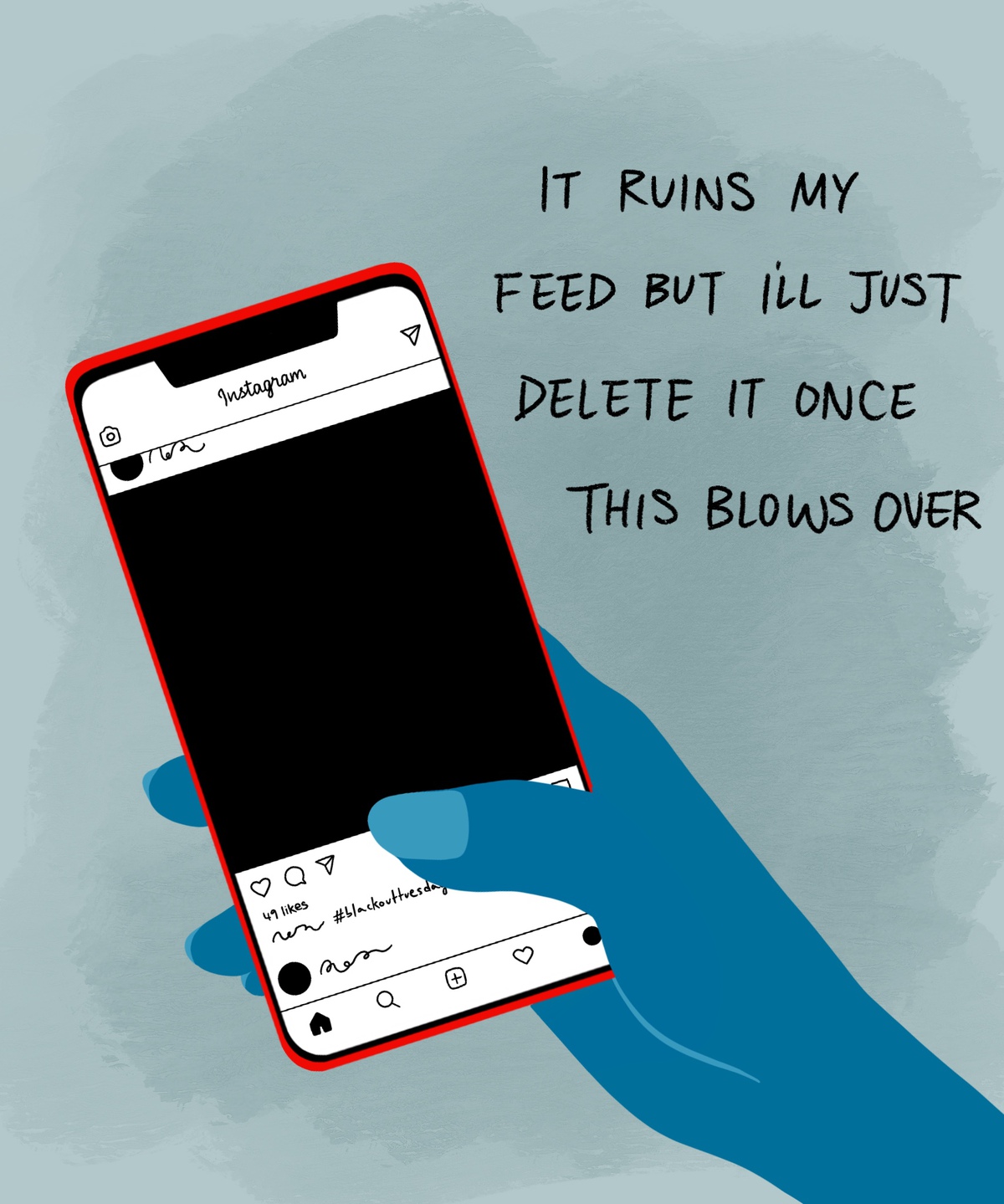
What does genuine allyship look like? Being a true ally involves taking the extra step to help the causes you’re advocating for around you. It’s about having conversations (even if they’re tough) with peers and loved ones when you see they’re doing something problematic. It’s about applying the knowledge you’ve learned and being willing to expand that knowledge even more the more you learn.
To me, being an ally means being there for the good and the bad. It means caring more about your social media presence and using your platform to engage in actual change. Turn your anger for the inequality of these issues into passion by donating to charities, writing letters to authorities in your area, signing petitions, taking the initiative to start a club for a particular cause, and going to a protest/march.
 QWOCC
QWOCC 