What does being a woman of colour mean to me? It’s a big question- a question of identity, a question of origin, a question of my sense of self. Being a woman of colour can mean so many things to so many different people, but its significance is more than just skin deep to me.
Being a woman of colour means having multiple identities. Born and raised in Ottawa, I am just about as Canadian as it gets. I love skating on the canal, I put maple syrup on just about everything (try it in your salad dressing, I promise it’s amazing), winter is my favourite season, and I say sorry all the time.
However, I also identify with my Indian roots. Pani puri is my favourite food, I talk a lot and very loudly, you will always find me bargaining for a better deal at a market, and I will look for any excuse to wear a saari (even if I complain that it’s itchy).
My reconciliation with my identity has not always been smooth.
I often find myself questioning who I am: “How can I be a woman of colour if I have never even been to India?”, “Can I even associate with my supposed origin if I barely know anything about it?”, “I can’t even speak Gujurati- who am I call myself a woman of colour?”, “I’m too ‘whitewashed’ to be Indian.”
Despite these intrusive thoughts, questioning my identity as a woman of colour seems to have resulted in a sense of belonging. It may have taken me some time to reach this conclusion but, regardless of what “category” I belong to there will always be a group of empowered and fearless women standing behind me. These women understand the experience of intersecting identities and– much like me– these women cannot be categorized. Despite having multiple identities, we still come together as a collective, listening and learning from one another.
Through these women, I have learnt that being a woman of colour is more than cultural belonging. Sure, I can’t speak Gujurati and I’ve never been to India, but I love my culture and I am always looking for ways to learn about it.
I do not fit into any typical categories, and that’s okay. I’m not too ‘whitewashed’ to be Indian and I’m not too Indian to be Canadian. I don’t fit into a typical category: I am a combination of the environment that I was raised in, the people that I have been raised around and my familial roots. I do not identify with one thing; I have a multitude of identities.
A woman of colour is a myriad of things. She may be confused about her identity, wanting to seek a sense of belonging. She may be scared, because the world around her seems to cater to her exact opposite- white and male. But she is also brave for enduring multifaceted discrimination.
From this bravery, she wields power. She is powerful, because she will always belong to a welcoming, empowering collective. And that is what being a woman of colour means to me.
A teacher is often defined as a figure who helps students develop knowledge, virtues and morals.
In primary education, they play an immeasurable role during a child’s most impressionable years. This persists in post-secondary education, where professors often act as mentors to bridge the intimidating jump into the workforce. In my 16 years of schooling, from elementary to what is now my second year of university, I have had three teachers who were women of colour. And even then, I am one of the lucky ones.
There is a gross underrepresentation of women of colour within the educational field. It is no secret our education system has and continues to revolve around a Eurocentric system. Learning about the oppression of Indigenous people or Canada’s history of slavery is often glossed over in preference of our more celebrated contributions that align with our stance as an “equitable” country. Neither is it a secret that BIPOC students often find themselves to be the only person of colour within their classroom. This sense of “otherness” was only exacerbated when, upon being subject to microaggressions, no one to ask, no one to explain or no one to sympathize with. While I never doubted my teachers cared they could never relate to the struggle of growing up as a woman of colour within a euro-centric world at the end day.
The “teacher diversity gap” is a recognized issue however, it has rarely been addressed in conversations surrounding educational reform. In Toronto, while more than half of our population consists of visible minorities, the only ⅕ of educators are non-white (Turner Consulting Group, 2014). This unfortunate trend persists into post-secondary institutions. Of the 2285 research chair positions across Canada, only 15% were held by visible minorities, and only 1% was held by those who identified as Indigenous.
Educators arguably play one of the most pivotal roles in childhood development. They introduce students to different fields of possibility and impress on their values and morals, including those regarding diversity and inclusion. Furthermore, they often act as role models themselves and foster the growth of trust in the educational system itself. The lack of BIPOC educators deprives BIPOC students of the necessary authenticity, dedication and inclusiveness they deserve in their academic careers.
How can BIPOC students trust an education system that fails to hire people like themselves? How can BIPOC students feel included in the community where there is no one to relate to?
How can BIPOC work towards a field in which they see no one like themselves?
And yet, amidst this adversity, women of colour students have continually been breaking boundaries in a historically underrepresented field. So just imagine how much more we can achieve if given the necessary mentorship and resources by BIPOC leaders during our most impressionable years.
The educational system is one of the most imperative systems in our country, and yet it has failed to evolve with our evolving society. Building a diverse educational staff is only one step of a larger, and much-needed decolonization process. When discussing the education system’s diversity gap, the discussion must focus on what is going to be done, how it will be achieved and when.
Feel free to submit to our blog through the portal below!
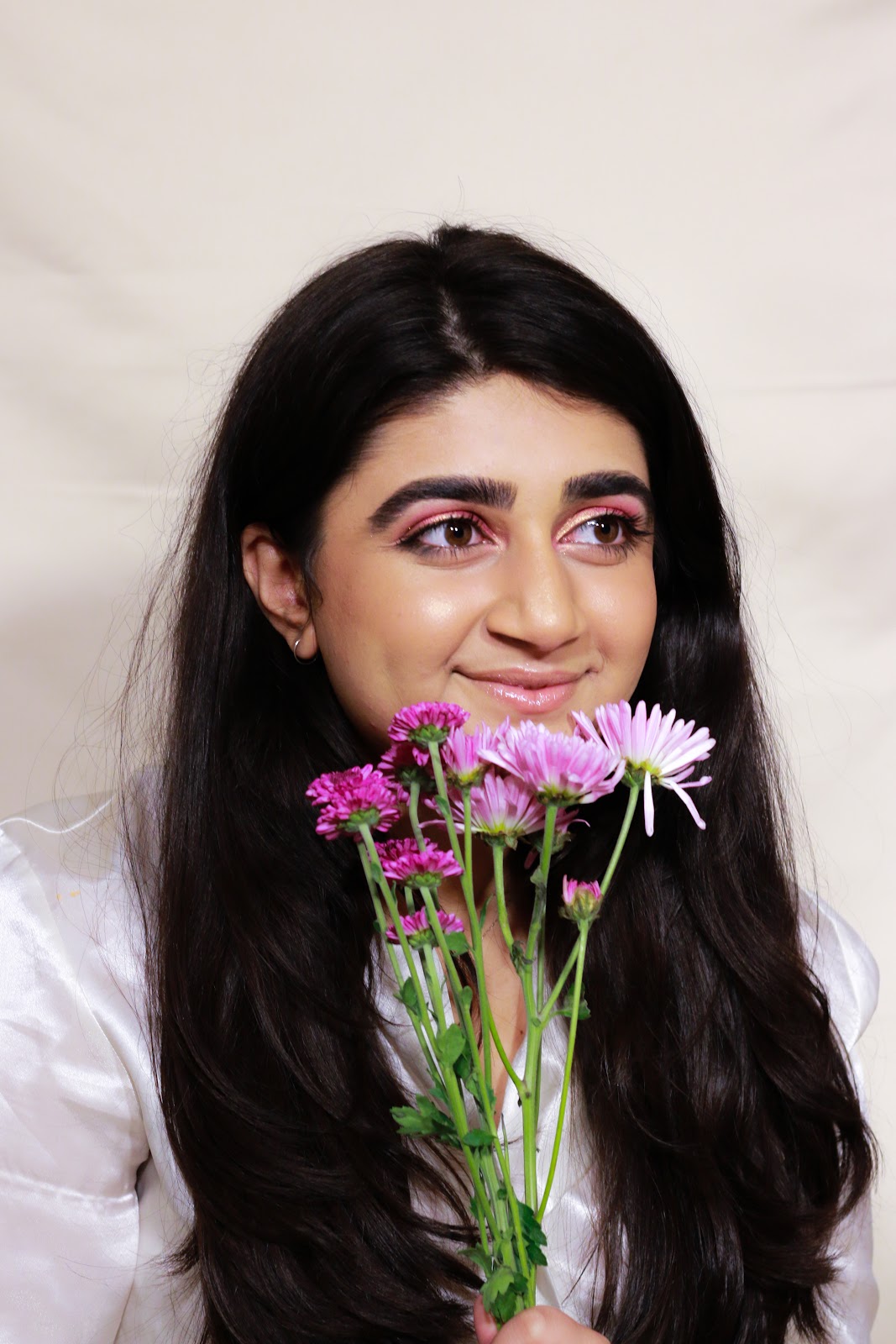
Written by: Shayla Joshi, in collaboration with the models
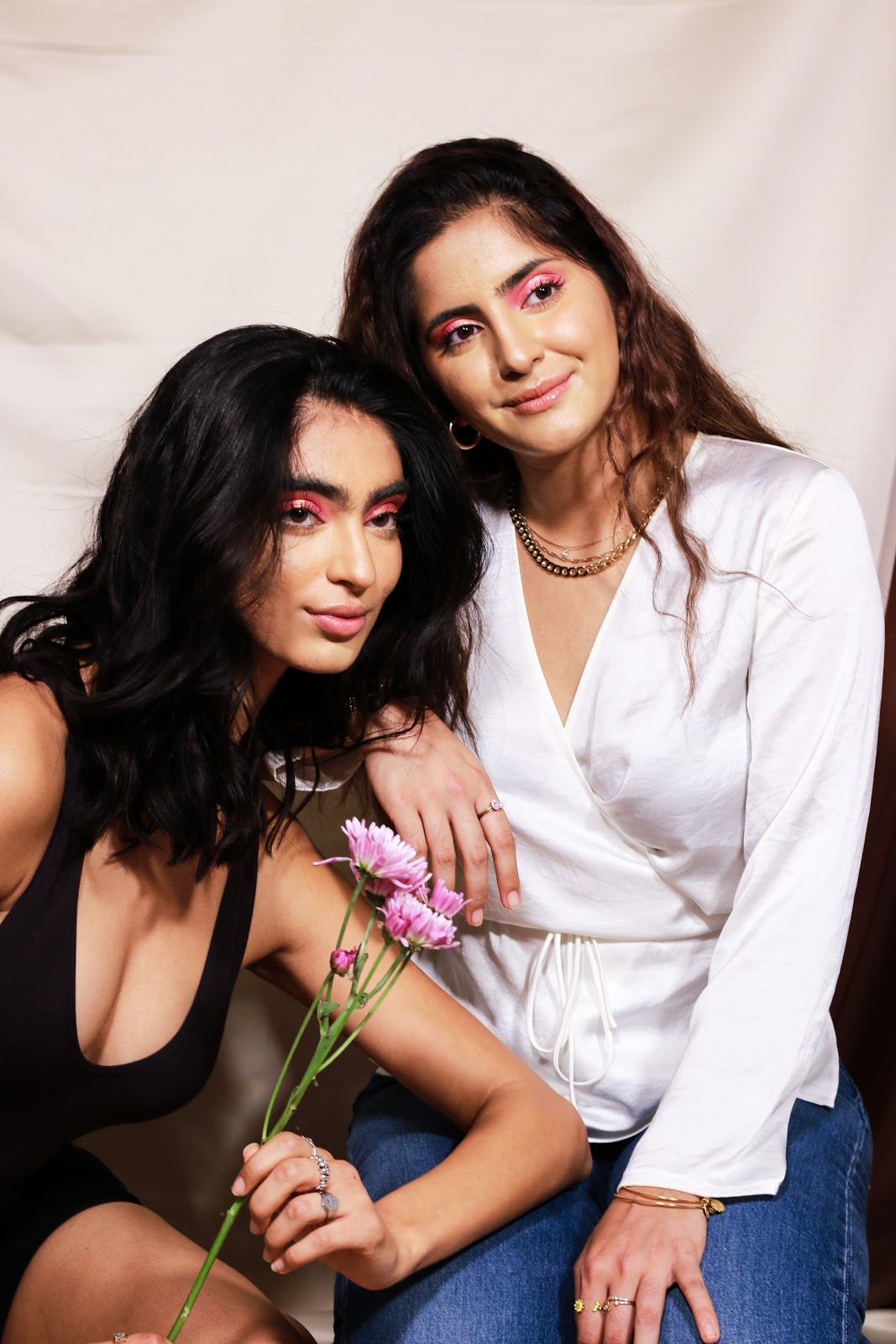
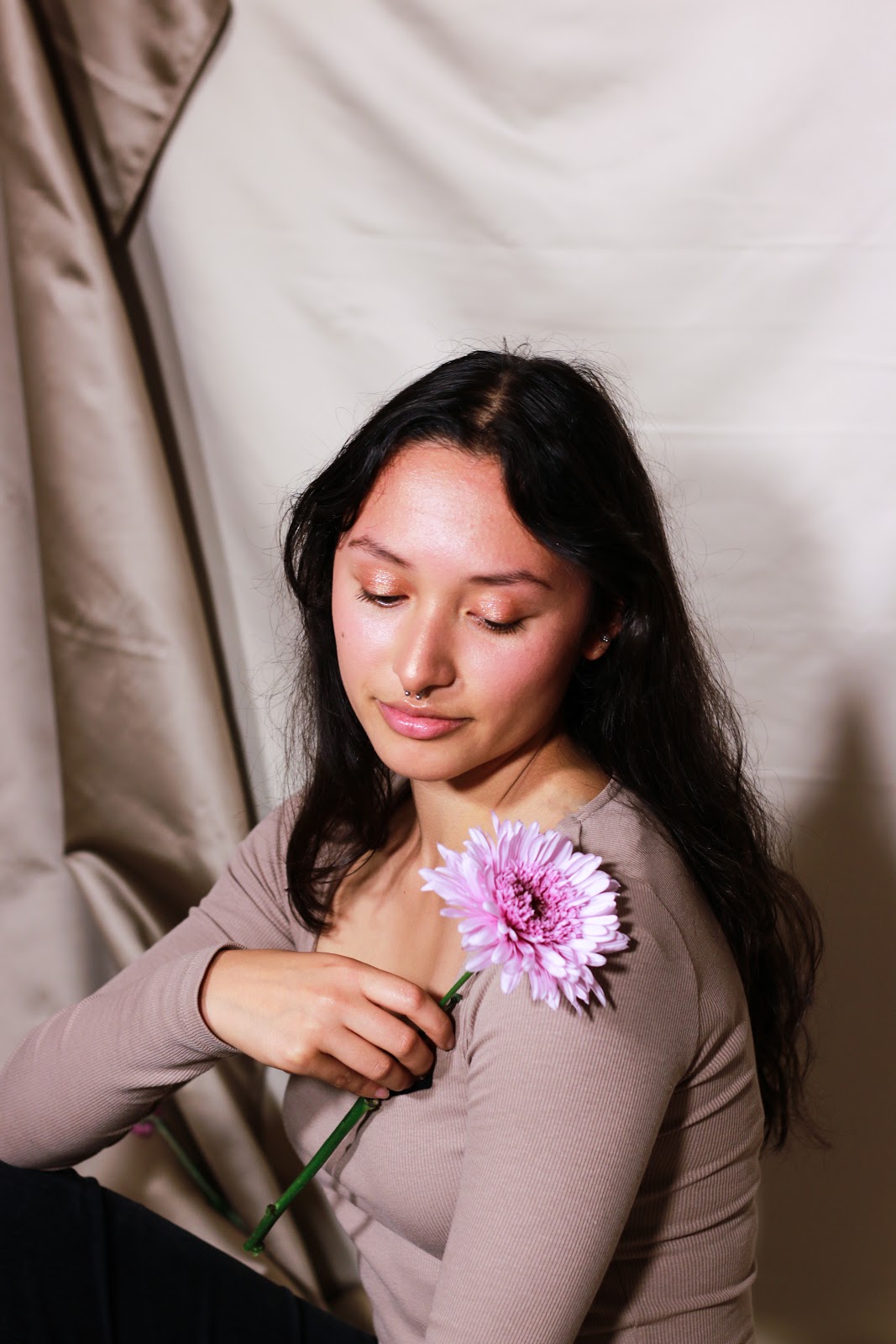
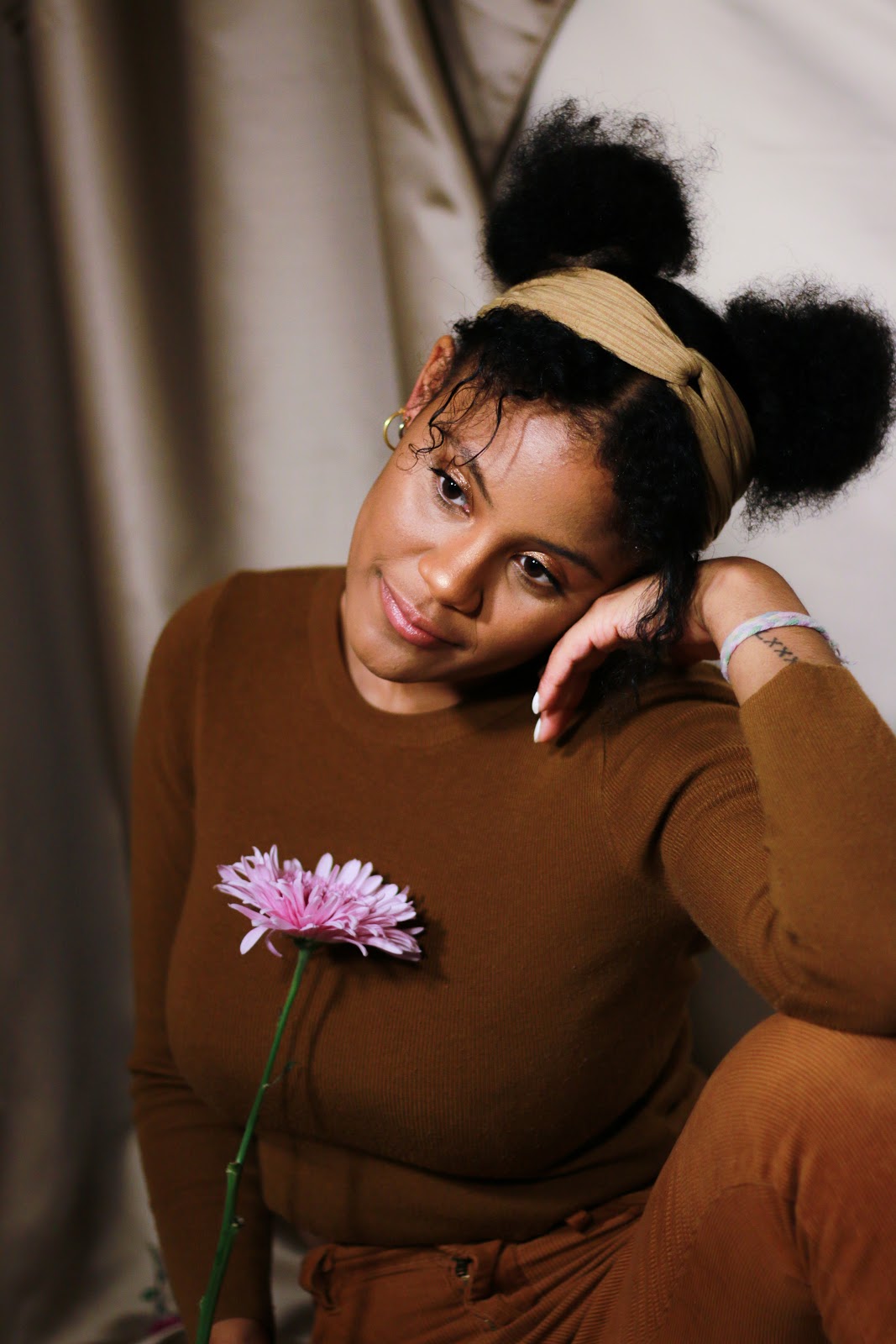
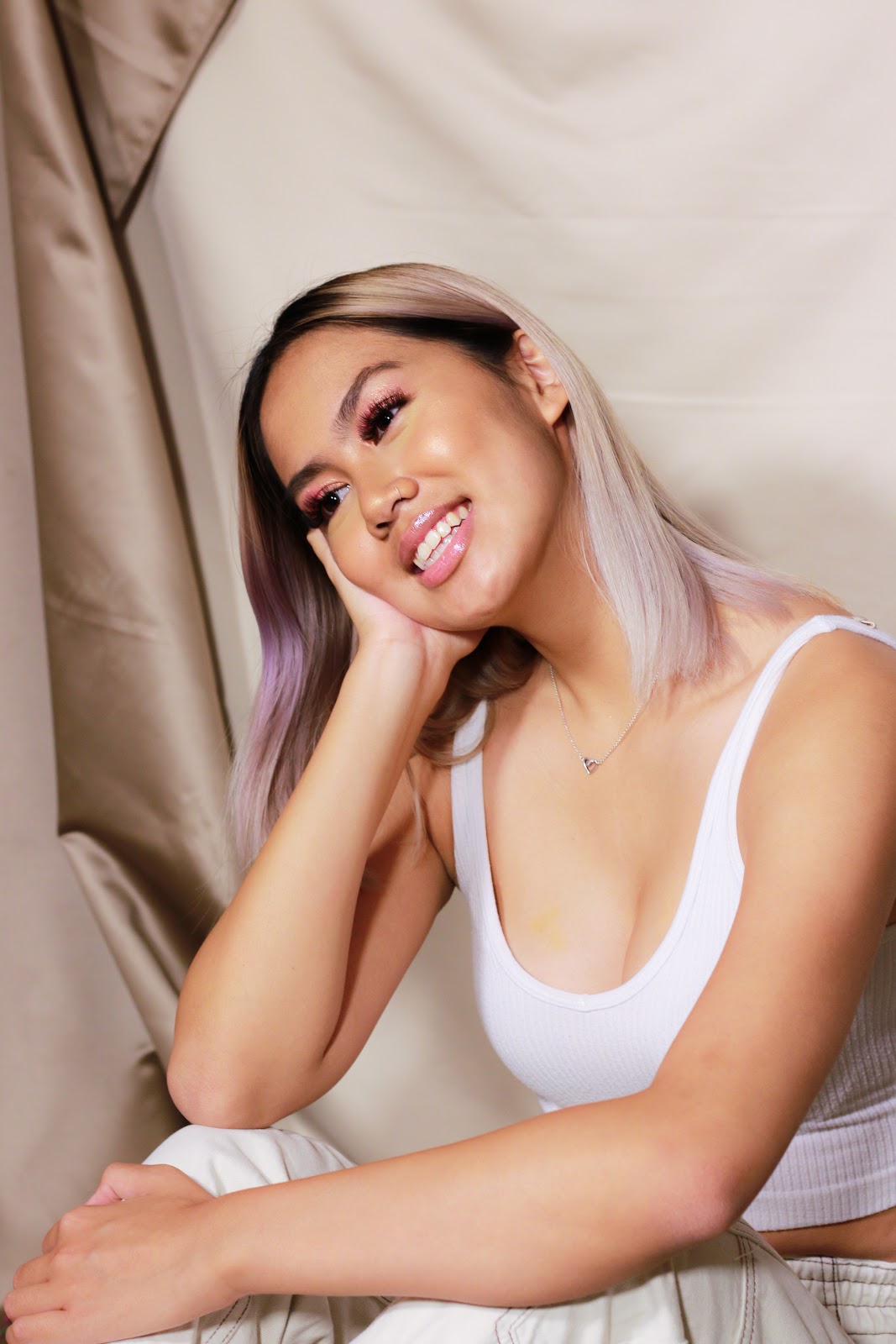
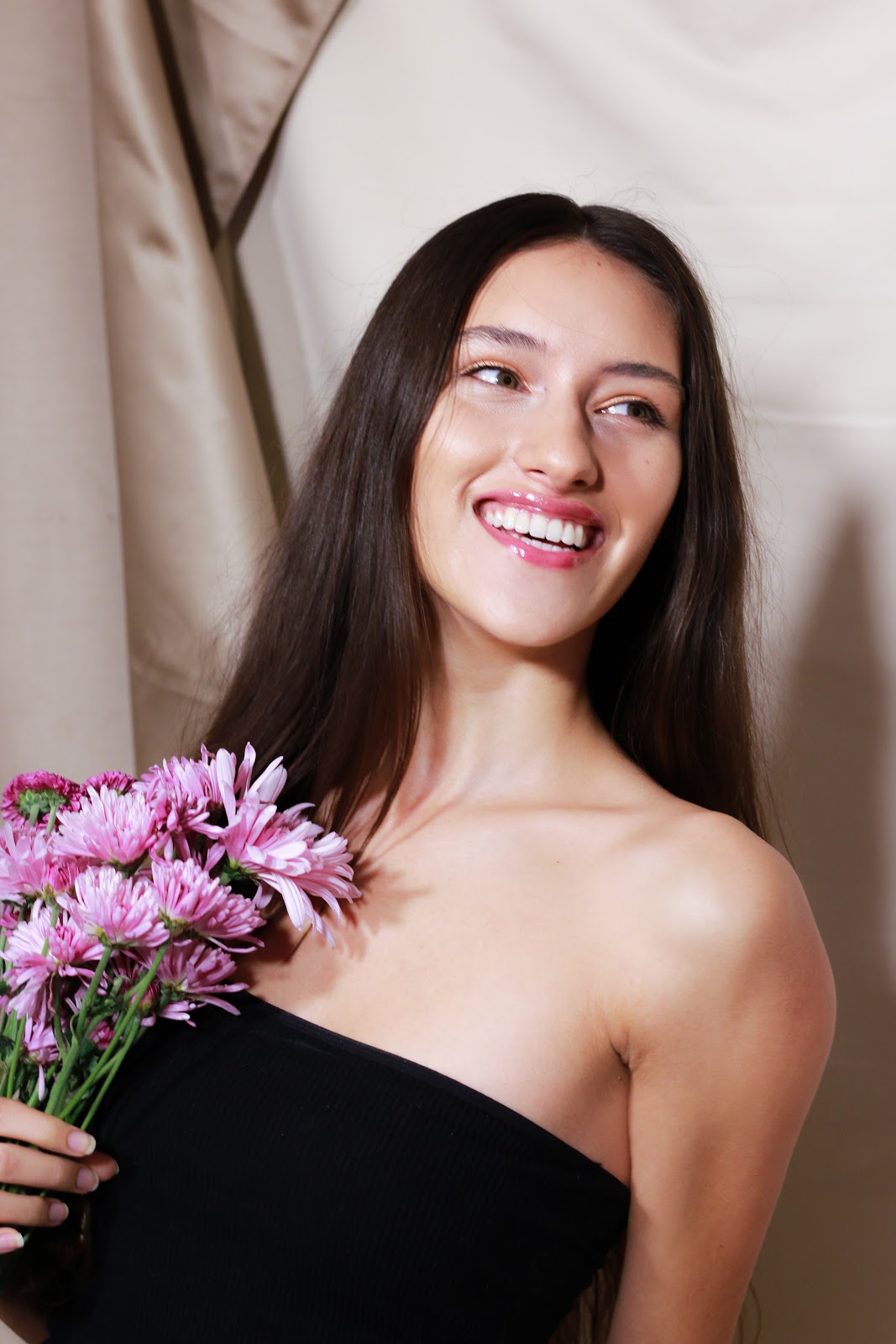
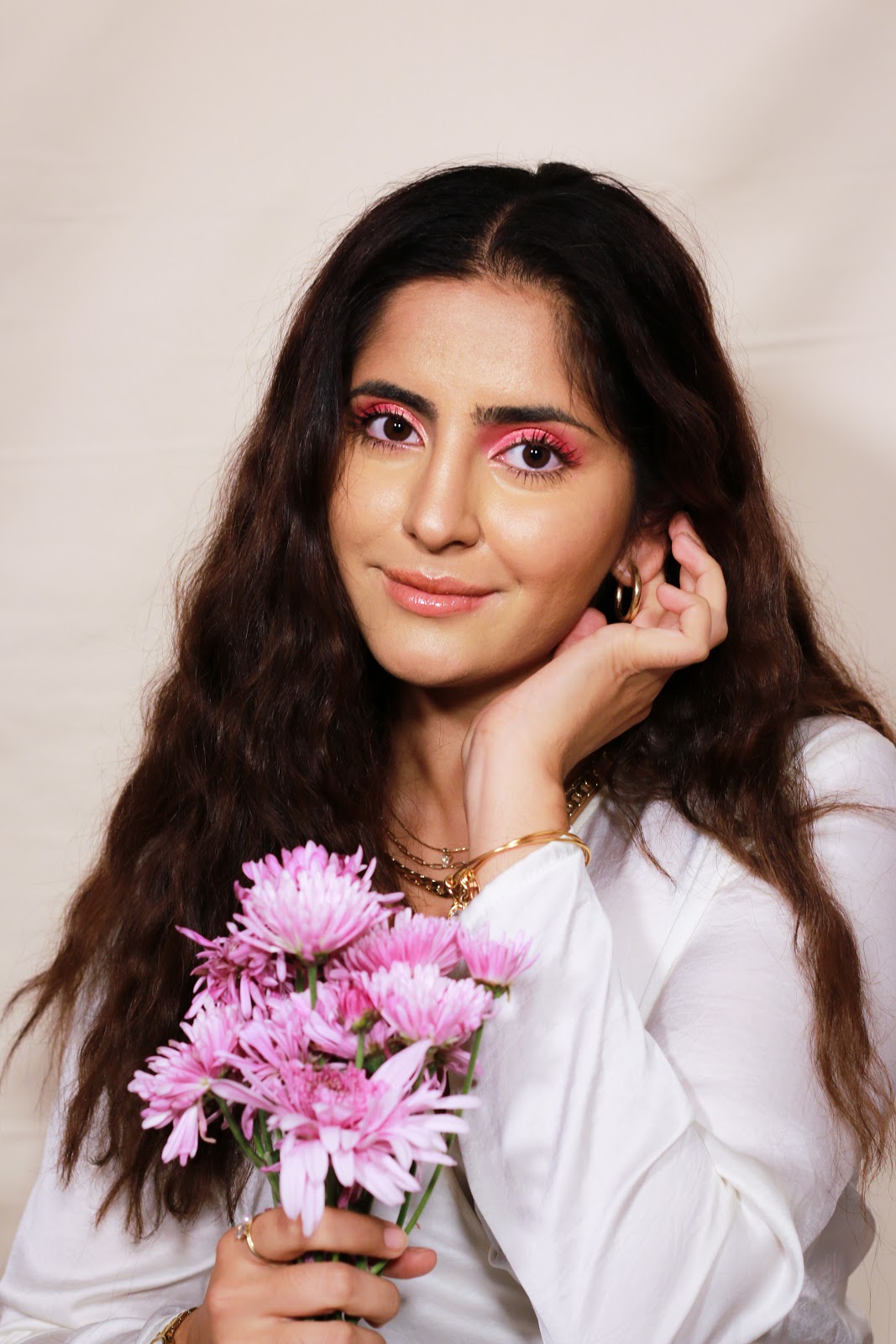
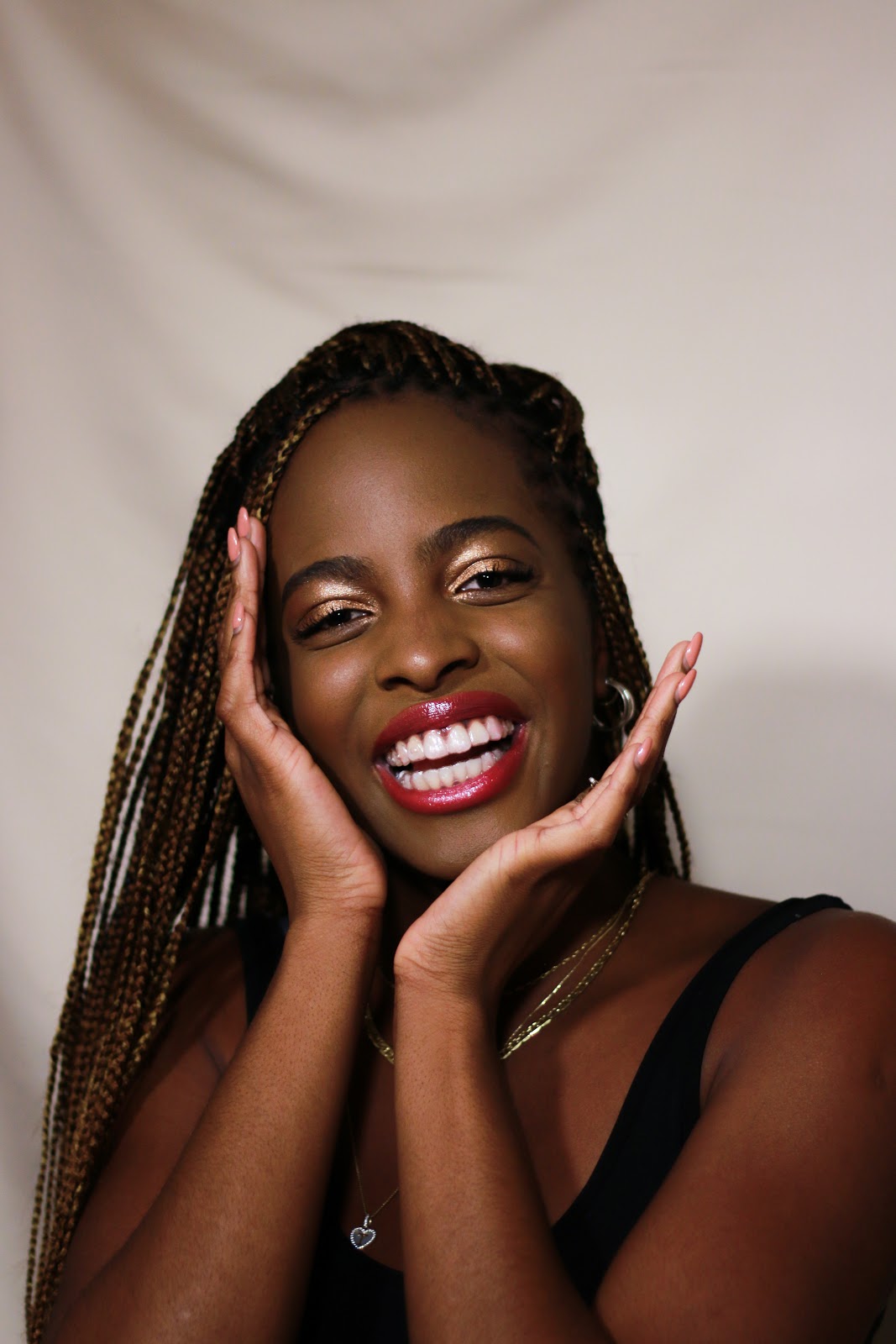
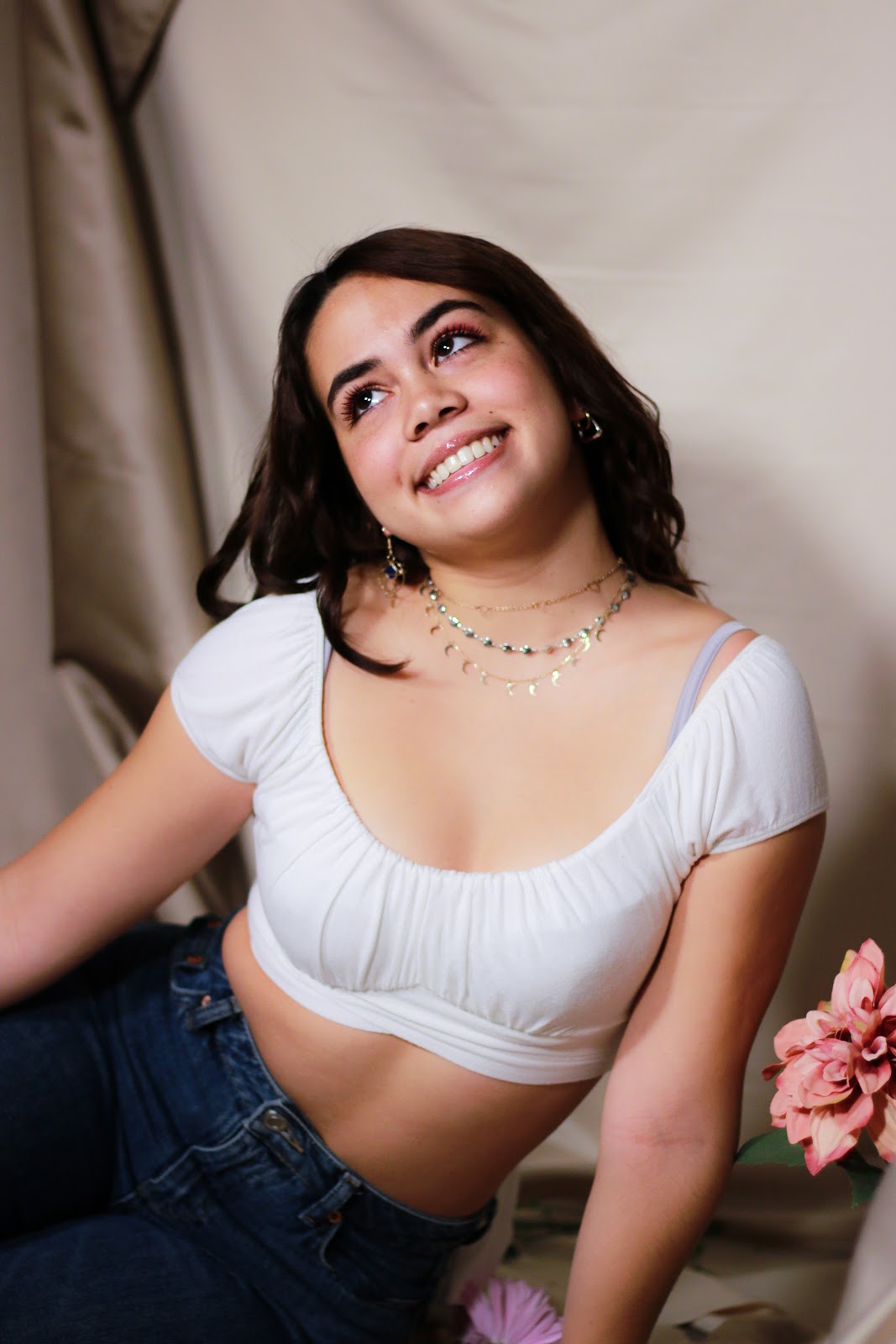
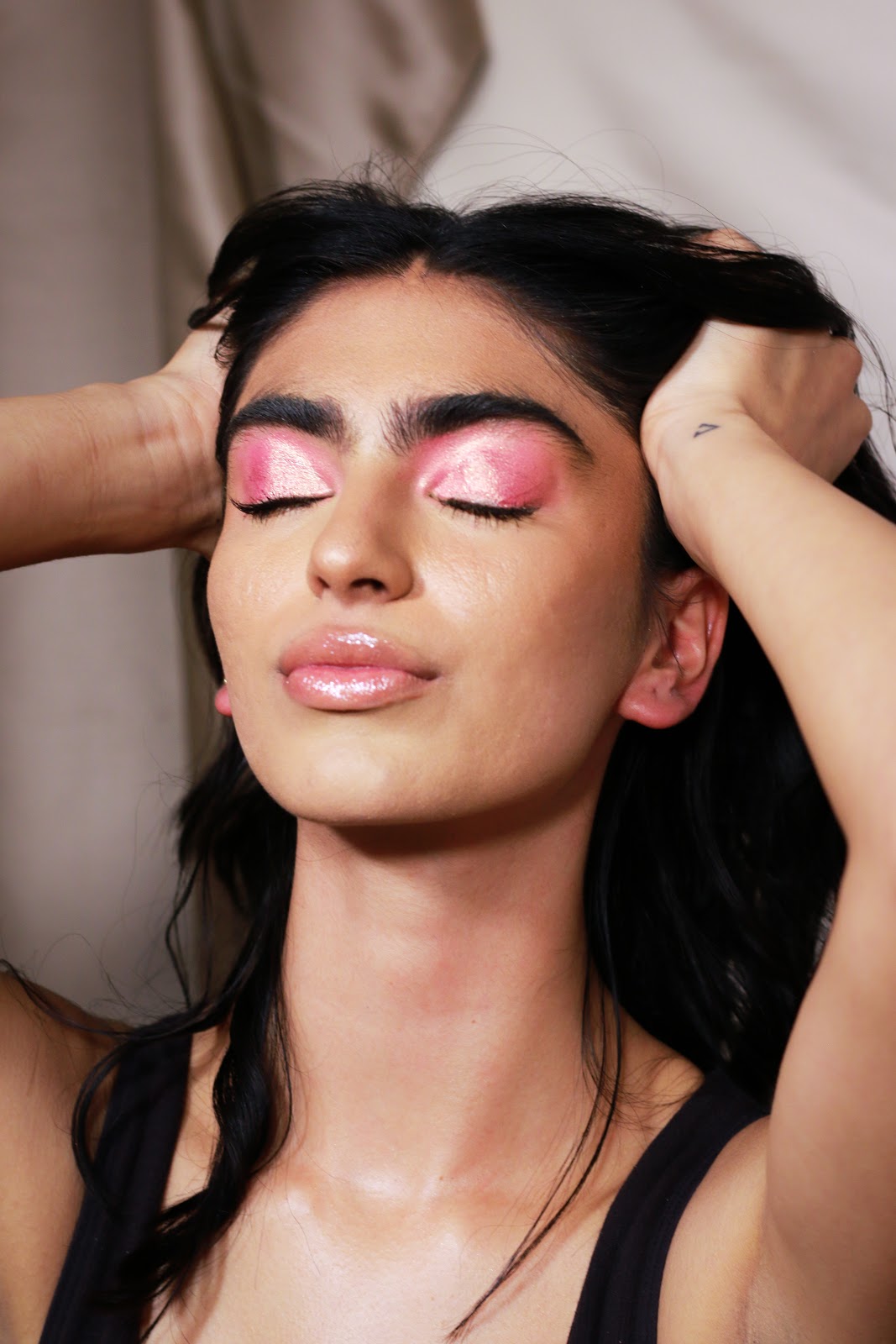
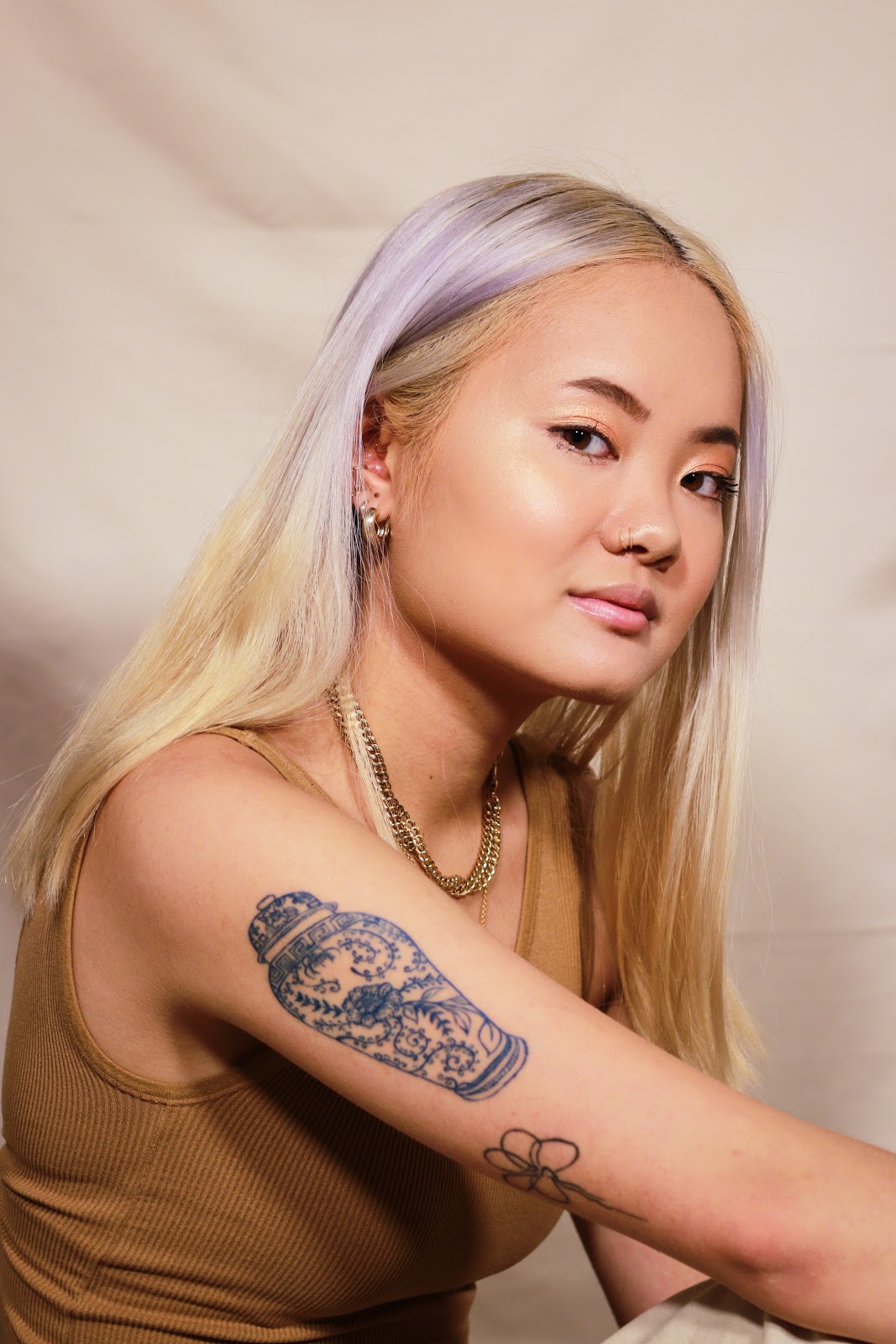
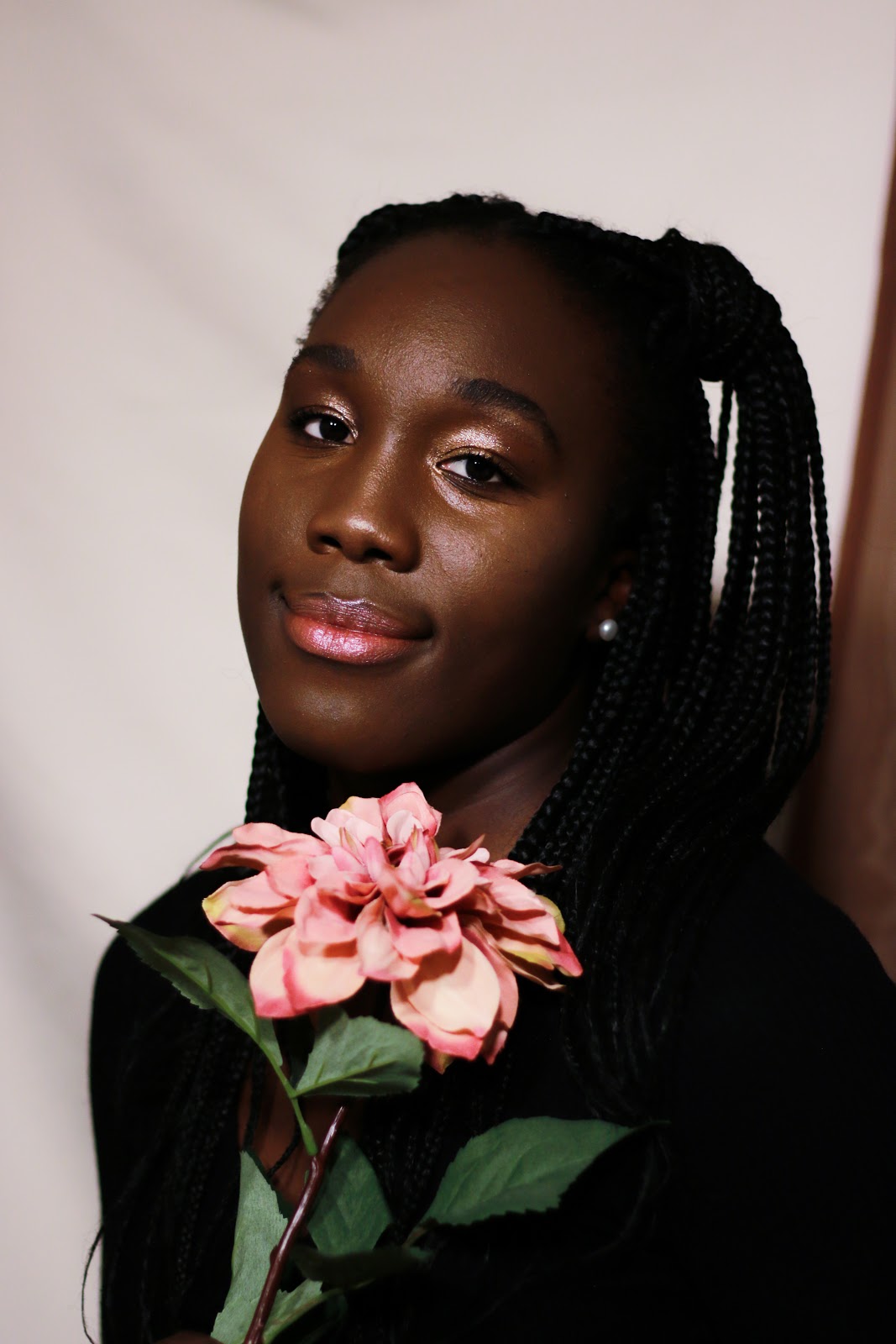
QWOCC is so excited to have collaborated with VCFS to talk about the beauty standards that exist for women of colour. It is difficult to feel beautiful as a woman of colour when the standards set cater to a Eurocentric population. Though this can be an overwhelming sentiment due to a lack of representation, women of colour have come out stronger in the face of this adversity. By finding communities with like individuals, looking inwards for validation and harnessing a seeming lack of power into an asset women of colour have empowered themselves.
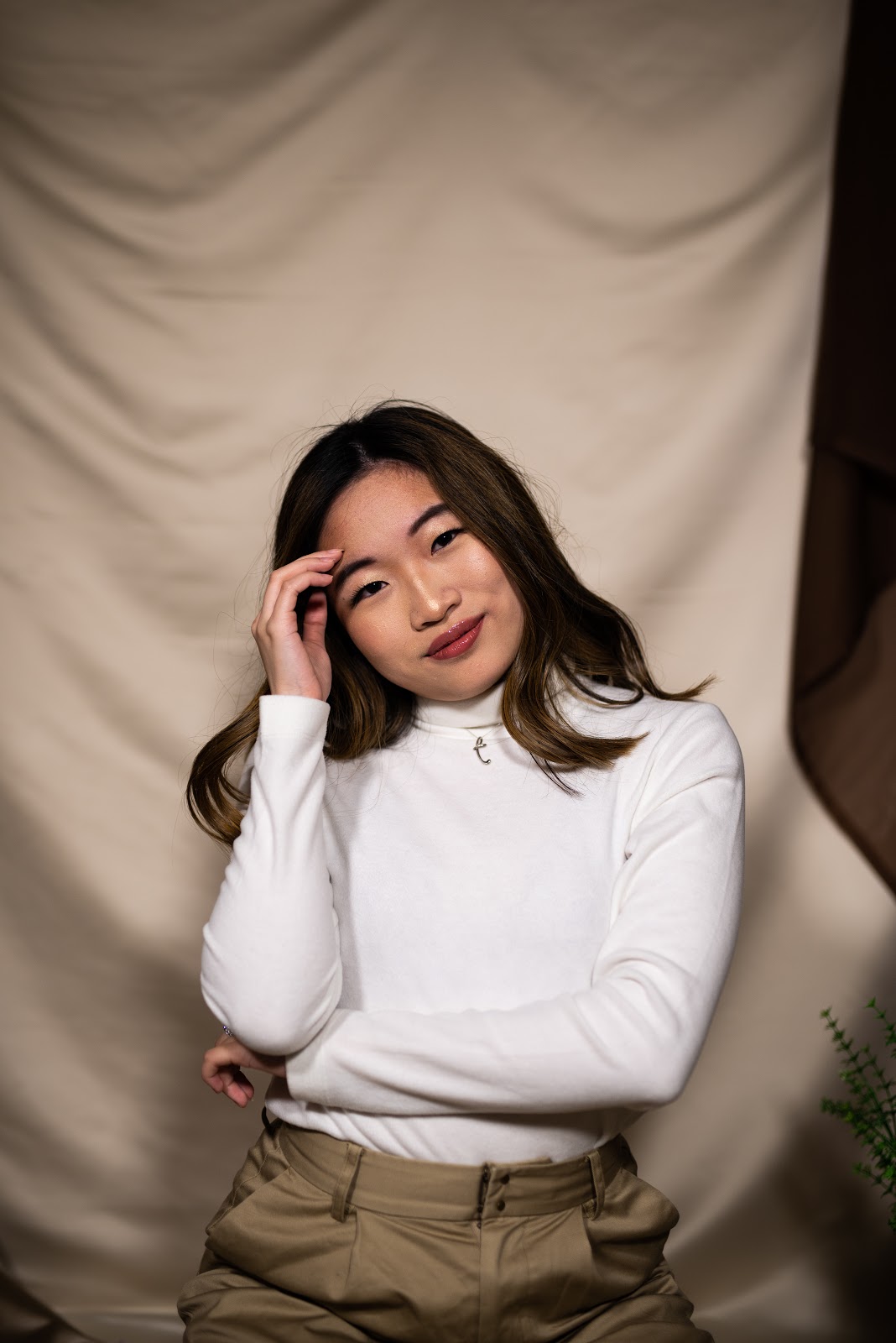
Following the photoshoot held by VCFS, which focused solely on women of colour, each model was interviewed about their experiences and sentiments. The models discussed a variety of topics ranging from what being a woman of colour entails to cultural insecurities and acceptance.
This process resulted in the following photo series and commentary developed through the collaboration of each model and our blog coordinator.
Katelyn Battad
Looks play a significant role in storytelling. For women of colour, this narrows the already small lens from which they are seen. This is portrayed in media by fitting women of colour into stereotypes to further a story. Being the subject of photos for VCFS reinforces and paves the way for a new direction wherein these photos tell a greater story about diversity.
Pamela Milanzi
“She’s pretty for a black girl.” Beauty standards are lowered for women of colour. Even if they do meet the Eurocentric view of beauty, women of colour are still looked down upon. Called out for their hair, skin tone and culture; women of colour experience the intersect of misogyny and racism. This shoot has helped to open conversations about discrimination and foster communities where individuals can feel connected through mutual experiences.
Ashley Ngo
Face your insecurities. Finding communities where people wholeheartedly welcome you is essential to facing insecurities and ultimately accepting them. Embracing who you are and loving yourself for who you are is a challenge, but one that is essential. Being able to speak out about these challenges makes you a stronger person.
Michelle Blaho-Melo
Too little… too much. Being a woman of colour comes with identifying yourself. What happens if you don’t fit into a category? Trying to change yourself to fit into a box is losing your identity. Being different means being unique, which isn’t always seen as beautiful. Photoshoots like these help counter this claim by showing the beauty coupled with being unique; there is more than just one kind of beautiful.
Raj Brar
Beauty standards are presented through a revolving door. The constant changing representations of beauty standards makes it impossible for all women, let alone women of colour, to meet these expectations. Women of colour face extra barriers with regard to beauty standards; they experience general ones and cultural ones. Whether it be thick eyebrows or blonde hair, trends will fade so it is important to own the beauty in who you are.
Temi Akintan
Be unapologetically you. Accepting who you are and your culture is an uphill battle that constantly puts you at odds with those around you. Finding people who you can identify with helps with this struggle by furthering the development of personal growth. Surrounding yourself with people who are unapologetically genuine to themselves fosters a sense of community.
Alyssa Kangaloo
Whiteness is seen as the ideal. Multiple dimensions of beauty standards are rooted in Eurocentric views that set a basis for what is perceived as beautiful: whiteness. Women of colour are faced with the struggle of grasping their own cultures. This challenges women of colour and leaves them questioning their beauty. This constant struggle requires a journey to the ultimate acceptance of one’s own identity.
Amrit Brar
Being a woman of colour is being simultaneously powerful and powerless. It’s being fearlessly bold and owning every part of your body and culture all the while dealing with a double edged sword. Being called out for features that are not recognized in the Eurocentric standard for beauty results in a blow that renders you powerless. So yes, the journey to power is one that is ongoing with many challenges, but the strength and community gained through this struggle is incomparable.
Jillian Jay
Find your foundation. Growing to accept insecurities that are coupled with being a woman of colour is a gradual journey which cannot be endured without a supportive group to fall back on. Finding friends who foster open conversations about like situations is essential to growing into insecurities.
Jummy Oladipo
Being a woman of colour comes with assumptions. People assume that you fit into a certain categories because of how women of colour are portrayed in mainstream media; we are minimized to a stereotype, a standard. Representation needs a shift to focus on authenticity; which this photoshoot has done. By focusing on raw and organic beauty, this has brought an opportunity to highlight diversity.
Sania Sahi
A mix of identities. Having to balance between western and south asian culture is being a constant mix of identities. At times it’s being two different people, literally. Trying to find the middle ground between both cultures is an ongoing process that will never be perfect. Finding a sense of community with people where you feel accepted is essential to discovering and accepting identities.
Tiffany Yung
Empower yourself. Putting yourself in front of the camera, being vulnerable and glowing in your natural beauty is an act of empowerment. You don’t necessarily need a special event to feel beautiful. Grab a friend or two and have a photoshoot! Everyone deserves to be in front of the camera and feel beautiful.
Feel free to submit to our blog through the portal below!
The “perfect” look isn’t natural so it is time to disclose these facts and reclaim our beauty
Written by: Sydney Ko
Beauty standards are perhaps some of the most bizarre concepts society has ever collectively agreed upon. We all somehow shook our head in disapproval when one’s lips are too thin, or when thighs are too big; we say no to girls with big noses and small eyes, thick waists and petite height.
In order to avoid scrutiny, girls are fixated on attaining the look society has agreed on being attractive.
By deeming what’s good looking and what’s not, an unrealistic expectation is set for people to reach. Those who can’t then turn to plastic surgery to enhance or emphasize their otherwise fainter features, as commonly seen amongst celebrities and social media influencers.
While there is nothing wrong with changing our looks according to our own desire, in order to reshape the beauty culture, promote self-love and BIPOC representation, people need to be transparent and normalize surgical enhancements.
In fact, society should be held accountable for the tremendous detriments in beauty image, lack of self-love, and confidence. The society plays the advocate in perpetrating this endless cycle of unrealistic expectations, by deeming certain looks as the “trend” so people can adhere to major surgical enhancements.
We have created a culture where Kylie Jenner’s sudden voluptuous lips were deemed beautiful, and Bella Hadid and Kendall Jenner’s fox eye look are no longer considered an oriental trademark, but the current standard that everyone should follow.
When social media, influencers, and celebrities essentially dictate how one should look, it ruthlessly damages young girls’ confidence, because the unnatural and unachievable is considered the norm.
The beauty culture that mainstream media has created is not only toxic but also poses as an obstacle to society’s progress in allowing BIPOC representation. How can BIPOC reclaim their beauty when the only features that are celebrated are those that have gone through surgical changes – a process that is also frowned upon by the society.
Without a change of attitude in looking at unnatural enhancements, people will continue to not disclose the truth of the changes they have made, and in return those who don’t know believe in the idea that there are people who are born with perfect cheekbones and noses.
With the constant celebration of the “perfect look,” society fails to embrace beauty representation from BIPOC, because the mold for “attractiveness” is filled.
How can BIPOC reclaim their beauty if the perfect Eurocentric mold is celebrated, and those who strives fill it with cosmetic maintenance are scrutinized?
Instead of deeming esthetic surgeries as taboo, we should start normalizing it and encourage transparency.
There is nothing wrong with people who decide to get work done, but it is crucial to be transparent in their beauty maintenance. By encouraging transparency, we spread the message that the perfect look isn’t always achieved naturally, and perhaps stray away from the generic Eurocentric standards.
By promoting transparency and normalization, the society forms of positive message on having the freedom of choice.
In the end, we choose how we want to look, deconstruct beauty standards, and ultimately, reclaim the beauty we have always had. And perhaps, one day we can finally see that beauty standards are simply a social construct that is meaningless when we finally allow it to be.
Beauty standards are ever present, and it seems like they won’t be going anywhere soon. But in the meantime, we need to put an end to this harmful concept in young girls’ mind. The society needs to stop ridiculing those who do get plastic surgeries and other face/body maintenance.
Feel free to submit to our blog through the portal below!
When Fenty Beauty first launched in 2017, it was seen to be revolutionary within the beauty industry as its inclusive line of up to 40 foundation and concealer shades was unheard of up until that point.
For many people like me, it was inspiring to finally see our skin tone being recognized after years of ashy foundations and lipsticks with unflattering shades. In response to Fenty’s commercial success and recognition, many companies followed suit in not only expanding their shade ranges but also featuring more women of colour in their campaigns.
But is representation enough? Does featuring one brown girl simply make a company a model of inclusivity? Should a company who expanded their shade range to “keep up” with their competitors be celebrated as a progressive leader in the industry?
Representation does not equal diversity in the beauty industry. It is just one piece of a puzzle in creating an industry that is not only inclusive, but welcoming and celebratory of the wide range of races. True diversity involves catering to the needs of ethnic groups; recognizing that one product is not applicable to all hair types or all skin types and asking how the line of products can be expanded to address these needs as well. True diversity involves incorporating it in every aspect of the company, not just the public campaigns, but product development, hiring practices and communication. True diversity involves having leaders who are women of colour calling the shots, voicing their opinions, and inspiring change.
The beauty industry has only taken one small step forward in the long journey toward inclusivity. As the consumers, it is our job to ensure they continue progressing along that path by demanding change and supporting brands that do display a commitment to diversity and inclusivity in all aspects of their business.
Check out these brands below that were created by incredible women of colour!
I am the girl from the mountains that hold my roots,
the way my mother used to hold me in her arms.

I am the girl split into sections by lines on a map
drawn by strangers with ill intentions,
dictating where one fraction of my identity begins
and the other ends.

I am the girl with the sun in her eyes,
and the stars mapped on her face – or so the poet in me says.
Sometimes, the sun blinds me, the stars hide,
and I am lost until my history finds me.

I am the girl from the edge of a nation that refuses to act like one.
My people are born poets; unlike our blood, this passion for our language
cannot be drained from our veins,
no matter how deep you cut.

I am the girl from a village in the north of the south of the east,
where the snow falls in clumps instead of flakes;
where my father used to play, where my grandparents used to pray.

I am the woman from the mountains that hold my roots,
and those mountains my heart still call home.
Feel free to submit to our blog through the portal below!
It’s a curious incongruity to be Han Chinese (belonging to one of the biggest ethnic groups in the world) and to be acutely underrepresented, but it’s my reality.
At Queen’s, more than ever before, I feel that my almond eyes and short nose are unwanted. Student government leaders, university service staff, and the faces I pass on campus and University District sidewalks scarcely look like me.
When I arrived in Kingston at seventeen, I asked myself, are they reluctant to befriend me because I don’t have their white skin and blonde hair? Am I not pretty enough because I don’t have their light eyes and angled cheekbones?
Here, surrounded by white peers to whom Eurocentric beauty standards cater, I began to understand the insecurities that have plagued me for years. It’s strange to imagine that my process of unlearning set about in such an environment, but it did, maybe because for the first time, I was somewhere I couldn’t pretend Eurocentrism didn’t affect me.
Makeup and clothing advertised on vastly white models, ‘beautifying’ Snapchat filters that make my eyes bigger and nose slimmer, skincare products that unabashedly promise to lighten my skin—Eurocentric beauty ideals are pervasive and, for that reason, incredibly convincing.
But I’m not meant to look that way. I’m meant to have melanin in my skin and hair and round features that make me look Chinese, and unapologetically so. Every time I look in the mirror, I see my mom’s eyes, my dad’s nose, and where my family came from; how could I be ashamed of that?
I’m nineteen now. No great epiphany has come and I’ve yet to experience catharsis, but I have learned to see beauty in my coloured femininity. The Eurocentric lens I grew up seeing myself in fades a little bit more every day, and though I’m still learning self-love and confidence, I don’t want to look any different than I do.
I hope I continue to unlearn the rigid beauty standards that distorted my self-image for too long and that one day I will look in the mirror and think:
“I am beautiful not because I conform to any beauty ideals nor because I stray from them; I am beautiful entirely independent of them.”
Feel free to submit to our blog through the portal below!
On January 4th 2020, I embarked on one of the most ambitious journeys of my life thus far. Armed with two suitcases, my trusty backpack, and my brand new money belt, I flew across the Atlantic to Lyon, France, for my winter semester abroad. My exchange was one of the most thrilling experiences I’ve taken part in, even if it did get cut short (shoutout to Miss Rona!). I remember sitting on the plane too excited to sleep. All I could think about was my future life in France; the numerous croissants I’d eat, the exciting weekend trips I’d take, the classic French berets I’d buy and pull off flawlessly.
Somehow, I never considered racism.
A little bit about me: I was born in Toronto to a Korean mother and an Italian/Irish father. While my South Korean family and heritage have always been a big part of my life, I have never felt like I could strongly identify with the culture. Maybe it’s because my mom came to Canada when she was six years old, and adapted to the Western way of life almost instantly. Maybe it’s because I’m white passing, all the way down to my fair skin, brown hair, and even my name. Maybe it’s because I never learned the language. Maybe it’s because I hate kimchi. Whatever the reason, I’ve never fully considered myself “Korean”. I have a complicated relationship with being biracial. I frequently tell myself I don’t deserve to call myself Korean, that I’m not really Asian. I’ve blindly agreed with people who have told me I’m whitewashed or “basically white”. I tell myself that it’s wrong to identify with a minority group because I’ve never actually experienced racism or discrimination. At least not until France.
Before leaving for exchange, numerous friends and family members warned me to be safe and cautious. “It’s dangerous out there”, they reminded me. “Young women travelling alone in a foreign country are prime targets”, they told me. I knew I needed to be smart abroad, but I privately thought they were overreacting. I had talked to plenty of girls who had studied abroad and come back unscathed.
I guess I didn’t take into account that most of these girls were white.
It was a crisp Saturday night in January. I had gone out into the city with my friends to experience Lyon’s nightlife. We had started by bar-hopping, and ended up in the centre square, intent on riding the iconic Lyon ferris wheel. As we were standing around in the square, deciding if we were willing to pay the €10 ticket fee, a group of men came up to us. Drunk, loud, young men. Naturally, my first reaction was panic. When groups of strange men approach me, even when I’m with friends, I immediately feel uncomfortable. I know I’m going to have to engage in a conversation I want no part in, which will end in me having to excuse myself as politely as I can. I was a few drinks in, so my next impulse decision was to walk away from the group, even my friends. I’m not dealing with this shit. Not tonight. A few steps away, I heard him:
“What’s with the Chinese prisoner over there?”
I stopped in my tracks, realizing he was talking about me. I turned around and walked back to the group.
“What did you say to me?”
“Why aren’t you talking to us?” the guy asked me.
“Because I don’t want to,” I shot back, willing myself to look him in his eyes. He was wearing a backwards baseball cap and a Gucci belt. I caught a whiff of his strong cologne.
At that point, my friend had the sense to move us away towards the ferris wheel. When I asked if I had heard the stranger correctly, the other girls confirmed it.
“What’s with the Chinese prisoner over there?”
The words played in a loop in my head.
“What’s with the Chinese prisoner over there?”
My friends laughed and moved on to getting money out for the ferris wheel. I joined in and tried to push it to the back of my mind.
“What’s with the Chinese prisoner over there?”
I tried to find a way to laugh about it. I’m actually Korean, you asshole!
“What’s with the Chinese prisoner over there?”
It was the first time I had had my race used against me. In Kingston and Toronto, it was unfortunately normal for men to catcall me, to approach me and my friends. But this was the first time my race came into play. I was the only non-white girl in a group of blondes. I felt embarrassed, ashamed, to have been singled out like that in front of my friends.
While we didn’t talk about it, the comment stuck with me for the rest of the night, until I got back to my student residence and got into bed.
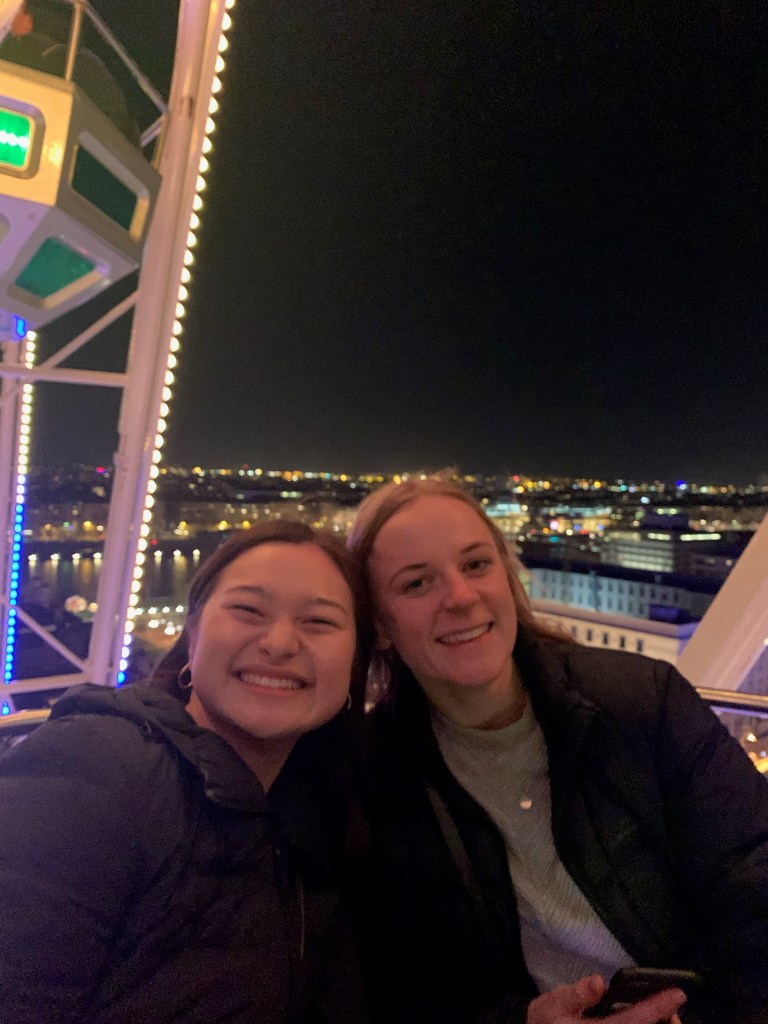
If I’m being honest, I wasn’t surprised. This was normal for France. A man once pulled his car over to the sidewalk where I was walking just to try to talk to me. The salesmen at the Foot Locker downtown had been overly interested in my “beautiful” Canadian accent. One of the first questions my new roommate asked me was if I was Asian. People (especially men) were always very forward in France. But it didn’t make hearing that comment any better, especially when I had been having such a fun night. I look at the photo taken of me on the ferris wheel with my friend Anna, and one of the first things I think of is “What’s with the Chinese prisoner over there?”
I told my brother about the incident that night, but asked him not to tell my parents. I knew they were already worried about me being in a foreign country alone, and I didn’t need them worrying about me even more. Every time I told someone else about it, I framed it as just another funny exchange story. Can you believe it? They’re like, hardcore racist over here!
A strange, twisted part of my mind wanted to shout about it proudly to all the people from my high school who told me I wasn’t a real Asian. If only they could see me now, I thought. I’m so Korean, I get mistaken for being Chinese. Guess I don’t look as white as they thought I did.
I wish I could say there was a happy, inspirational ending to this story. In a way, there is. I’m still here. I’m alive and healthy and happy. I’m lucky I was with a group of friends and that nothing worse happened that night. I live everyday with the privilege of being a white-passing, able-bodied woman. But in another way, this is an unhappy ending, because when I think about my exchange, I inevitably think about this night. And it’s weird to think that one of the people that left the biggest impact on me in France probably doesn’t even remember that I exist.
I feel a sort of connection now to other non-white girls who have studied abroad, especially in Europe. We know what it’s like to be singled out. We know what it’s like to have two defining identities for creepy men to prey on. We know what it’s like to laugh along with our white friends while silently processing our own pain. We know what it’s like to hear outrageous travel stories from our white male peers, knowing full well we could never do the same. We know what it’s like to have to worry about our own safety while travelling alone in a foreign country as both a young woman and a person of colour.
So maybe this story doesn’t have a happy ending. But I hope that if another young woman of colour reads this, she will feel understood and seen. The world outside of Canada can be a cruel and lonely place for young women of colour. But at least we have each other.
Feel free to submit to our blog through the portal below!
The instagram account @StolenbySmith has sparked a much needed introspection into the experiences of BIPOC students and staff at Queen’s University. The account was launched by Kelly Zou, a fourth year commerce student, in order to offer Queens students and alumni the opportunity to anonymously share their experiences of racism, homophobia and other forms of discrimination within the Smith School of Business. Since its launch in early July, the page has amassed almost 12 000 followers, local media attention and shared over 250 stories detailing incidents of prejudice, intolerance and ignorance. The account has inspired the creation of similar platforms documenting discrimination within the Queens Engineering community (@erasedbyfeas) and at other universities across Canada.
The stories shared on Stolen by Smith range from heartbreaking to enraging and many are downright terrifying. They describe experiences of isolation amongst fellow students, an unsupportive atmosphere enforced by teaching staff and question the admission techniques used in many prestigious programs. However, what is most frightening is how relatable many of these stories are for most BIPOC students.
Queen’s reputation regarding its treatment of the BIPOC community is one of the university’s worst kept secrets. A secret that, when I first told my friends and family I planned on attending Queens in the fall, resulted in my decision being met with much hesitation. I refused to give into the rumours and went into my first year with an open mind and the excitement of starting the next chapter of my life in a new city and amongst a new community. Looking back, I believe much of my naivety stemmed from having grown up in the GTA, the epicentre of cultural diversity in Canada. This is not to suggest the GTA is immune from discrimination; we all know too well how prejudices persist in even the most progressive of communities. However, being continuously surrounded by a vibrant mix of cultures and religions, I was fortunate enough to have never once felt out of place or unwelcome.
Rather, it was during my first months at Queens that I truly felt like an outsider in my own home. My friends and I would later call it a “culture shock”, acclimating to a new environment where our skin colour and background became our most defining characteristics. I’ve never had trouble making friends but suddenly, during my first week of orientation, I felt isolated and as though all of my conversations were stunted and brushed off easily.
Over my first year at Queens I overheard many ignorant comments that were never rebutted, only laughed at and repeated. I can count the number of times I was the only POC in the room on more than two hands.
StolenbySmith has forced the entirety of the Queens community to finally take notice of the experiences of discrimination and ignorance the BIPOC community has tolerated for years. It is time they finally address its long standing reputation as a “white” school and enforce meaningful action to ensure their BIPOC students feel safe and welcome during their Queens experience. As students ourselves, we can help change the narrative by holding one another accountable for our comments/actions as well as using our positions on prominent teams/clubs to address issues involving discrimination. With BIPOC leaders such as Kelly Zou leading the charge, I have much hope that Queens will finally take accountability for past wrongs and prioritize improving the treatment and experiences of BIPOC students, alumni and staff alike.
Feel free to submit to our blog through the following portal:
A distinction that is often overlooked is that of equity versus equality. Sure, in general terms, most people understand the definitions of these words, but what do they mean when executed? What do they signify as ideals? The distinction between equality and equity is paramount in addressing the systemic barriers rooted in our society’s foundation.
Equality, as we know, is when all individuals are considered equal (1). However, this can never be true in practice, given humanity’s unjust past. The institutions that our society has been founded on are not inherently equal; prejudice runs deep. Take, for instance, the police force, which in some states began as a system to return runaway slaves (2). Since those times, the root of the policing system has yet to change its intentions drastically. This is seen through the incarceration system wherein people of colour are overrepresented due to law enforcement’s racist foundation (3). Our founding institutions’ failure to treat individuals as equals ensures that we, as a society, cannot do so. For our society to be truly equal, there cannot be any biases or prejudices. These biases come about due to differentiating factors that can be used to single out individuals and divide them into groups. Differentiating factors are inevitable. Every individual has a different set of DNA; phenotypically, it is impossible for us all to be equal. Given physical differences, throughout history, we have distinguished individuals based upon these factors. Today, our mindsets may be different, but we are still a result of the environment in which we are brought up. The foundations of modern society are unjust, and thus those ideals are unconscious within us, whether we comply with them or not. This will continue unless we teach future generations to adopt a new approach that addresses foundational issues.
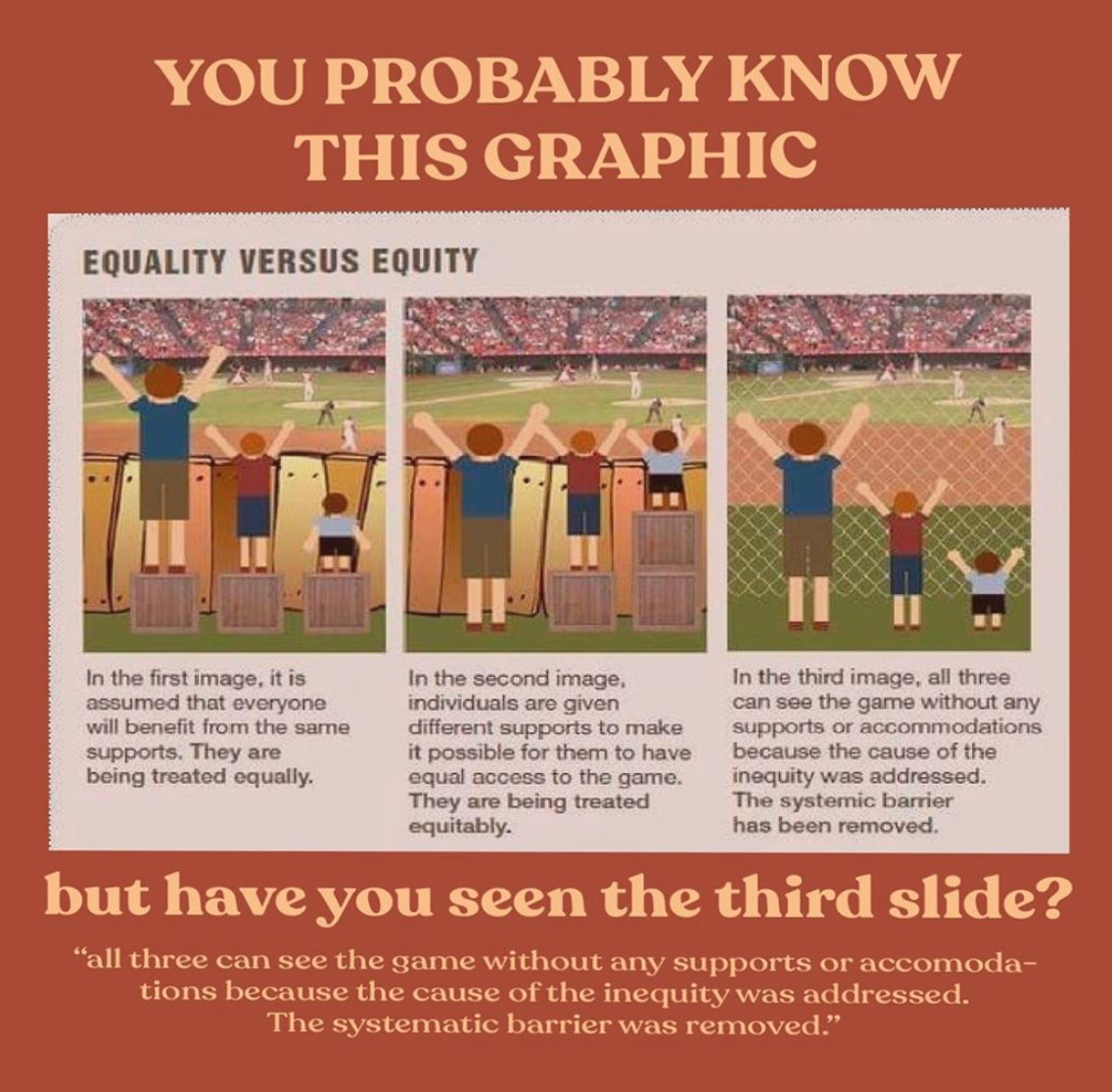
Before we can address the aforementioned issues directly, we must evaluate an equitable approach. Equity is a distribution based on need; an execution of justice and fairness (4). Instead of preaching equality, we should be employing equitable solutions to problems. Let me paint a picture (that you may or may not have seen on Instagram, 5). Three people are trying to look over a 5 foot 5-inch tall wooden fence. Anna is 5’1, Jaime is 5’4, and Steve is 6’2. Right off the bat, Steve can see clearly over the fence. Jaime can just see over the fence if they crane their neck, and Anna cannot see over the fence. An equal solution would be to give everyone a 6-inch stool so they can each see. The issue with this ‘solution’ is that it allows all three individuals to see over the fence, but it does not address the inherent problem. An equitable solution would be to give each individual the unique support they need to see over the fence: Anna would get a 6-inch stool, and Jaime would get a 3-inch stool. This solution addresses the individuals equitably to ensure that they are all obtaining what they need to see over the fence. That is the benefit and distinction of equity compared to equality. Equity addresses individuals, whereas equality focuses on an overarching ‘solution’, hoping it will cover all of its bases.
Now that this distinction has been made, let us go back to the concept of generational change. Ideal solutions to many instances of injustice lie within the restructuring of founding institutions, as mentioned prior. Given our example above, a true solution would be to change the wooden fence to a chain-link fence. By addressing the systemic barrier, no support needs to be provided for each individual. However, this is not always attainable instantaneously; which is where generational change comes in. We may not be able to address issues that have been created over generations, and they may take generations to destroy, but we can create change by reevaluating our mindsets and applying equitable solutions.
In situations of injustice, it is crucial to consider the root of the problem and address it directly, as opposed to creating simpler seeming solutions. The direct solutions cannot be obtained without an understanding and implementation of equity. By adopting an equitable mindset in lieu of an equal one, we appreciate differences instead of suppressing them. We are not all born with the same privileges, but what we do with those privileges to fight against systemic injustices is what matters.
 QWOCC
QWOCC 